Abandoned Water Well Decomissioning
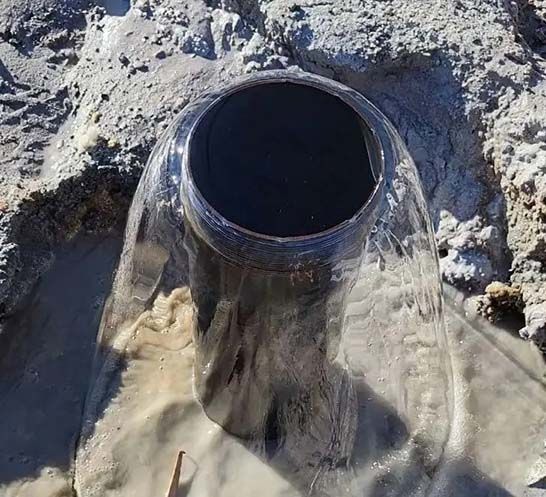
Safe water well abandonment to protect your property and groundwater
An abandoned water well that is left open, unsealed, or improperly maintained can create serious safety, environmental, and regulatory concerns. Old wells may provide a direct pathway for contaminants to reach groundwater, while open or deteriorating well structures can create hazards for people, pets, livestock, vehicles, and equipment.
Our abandoned water well decommissioning services in Maine help property owners safely identify, evaluate, and permanently seal unused water wells. We follow applicable Maine well abandonment requirements and industry best practices to help protect groundwater resources and restore your property's safety.
Whether an old well is located on a residential property, commercial site, farm, camp, or public property, proper decommissioning provides a permanent solution for a well that is no longer needed or cannot be safely maintained.
Have an old or abandoned well on your property? Contact Marquis Well & Pump to discuss the safest way to decommission it properly.
WHY ABANDONED WELLS SHOULD BE PROPERLY SEALED
An unused well does not simply disappear when it is no longer needed. If it is not properly sealed, the open borehole can remain connected to groundwater for years or decades.
Maine's well abandonment requirements are designed in part to prevent abandoned wells from allowing contaminants to enter groundwater and to prevent personal injury. Proper abandonment also helps prevent water from different underground formations from becoming improperly interconnected.
An improperly abandoned well can create several concerns, including:
- Groundwater contamination: An open or inadequately sealed well can provide a pathway for contaminants to move from the surface or near-surface environment into groundwater.
- Physical safety hazards: Open wells can pose a danger to children, adults, pets, livestock, and equipment.
- Deteriorating well structures: Old casings, covers, and other components can deteriorate over time.
- Unwanted access: An unsecured well may allow debris, insects, animals, or other materials to enter the borehole.
- Interconnection of water-bearing zones: Improperly sealed wells can potentially allow water from separate underground zones to mix.
- Property and construction concerns: An undocumented or abandoned well can complicate property improvements, excavation, redevelopment, or construction projects.
Properly decommissioning an unused well helps eliminate these risks and provides a safer, more permanent condition for the property.
WHAT IS WATER WELL DECOMISSIONING?
Water well decommissioning, also called well abandonment, is the process of permanently sealing a water well or borehole so it can no longer provide a pathway for contaminants to enter groundwater or create a safety concern.
Maine’s Water Well Commission provides standards for sealing abandoned wells and identifies materials such as neat cement, high-solids bentonite grout, and bentonite chips as recommended options when appropriate.
The appropriate abandonment method depends on the well's construction, depth, casing, geology, condition, and other site-specific factors. Our technicians evaluate these conditions before determining the appropriate approach.
OUR ABANDONED WELL DECOMISSIONING PROCESS
Every abandoned well is different. Our process identifies the well, evaluates its condition, determines the appropriate sealing method, and completes the work safely.
- Locate and Identify the Well: Depending on the property and available information, we may review existing well records, inspect the site, identify visible casing or well components, and determine the borehole's approximate location. Maine's Water Well Database can contain information such as well location, depth, yield, drilling date, and driller information when records are available. However, older wells may not have records in the database so that field evaluation may be necessary.
- Evaluate the Well: Before sealing the well, we assess available information about its construction and condition. Understanding the existing well helps determine the appropriate abandonment procedure and sealing materials.
- Remove Equipment as Needed: If the abandoned well contains a pump, liner, drop pipe, electrical components, or other equipment, those components may need to be removed before the well is permanently sealed.
- Permanently Seal the Well: The well is sealed using an appropriate material and placement method based on the well's construction and site conditions. Maine's rules identify several sealing materials that may be appropriate, with placement performed according to applicable requirements and manufacturer instructions.
- Complete the Surface Restoration: After the well has been properly sealed, we address the surface so the former well location no longer presents an unnecessary safety concern. This may include cutting casing to the appropriate depth, backfilling, and restoring the disturbed area.
- Document the Abandonment:
Our goal is to leave you with a properly completed abandonment project and clear information about the work performed.
WHEN SHOULD AN OLD WELL BE DECOMISSIONED?
A well may need to be abandoned when it is no longer needed, cannot be adequately maintained, is improperly constructed, presents a safety concern, or creates a potential pathway for groundwater contamination.
You may want to have an abandoned well evaluated if:
- You purchased a property and discovered an old well
- There is an unused well on your property
- An old well has no known owner or maintenance history
- A well is missing a secure cap or cover
- The well casing is damaged or deteriorating
- You are preparing to sell or redevelop the property
- You are planning construction near an old well
- An old well is interfering with planned excavation or site work
- You have replaced an old water supply with a new well or municipal water
- You are unsure whether an existing well has ever been properly abandoned
If you are unsure what to do with an old well, professional evaluation is the best place to start.
OTHER WELL SERVICES WE OFFER
WELL DRILLING
Professional well water drilling services for homes, commercial and agricultural properties, and public water systems.
WATER WELL INSPECTION & MAINTENANCE
Testing, rehabilitation, and repair to keep your well performing at its best.
WELL HYDROFRACKING & DEEPENING
Boosting yield or extending existing wells to meet increased water demand.
WATER TESTING & TREATMENT
Comprehensive water quality testing and filtration options for peace of mind.
FREQUENTLY ASKED QUESTIONS
How do I know if I have an abandoned well on my property?
Look for old well casing, capped pipes, concrete structures, pump equipment, pressure tanks, or other signs of a former water supply. Existing well records may also help identify an old well. Maine's Water Well Database contains reported well information, although older wells may not have records available.
Does an abandoned well have to be sealed?
Maine's well abandonment rules establish requirements for abandoned wells and are intended to prevent them from providing pathways for contaminants to enter groundwater or causing personal injury. Open boreholes that are not properly secured can also fall under the abandonment requirements.
Can an abandoned well affect my property?
Yes. Unused or improperly sealed wells can pose safety hazards and allow contaminants to enter groundwater supplies. If you have an abandoned well on your property, professional well abandonment and sealing services can help protect your water resources, maintain compliance, and improve site safety.
Can I fill an old well myself?
No. Well abandonment should not be treated as a simple do-it-yourself filling project. The appropriate sealing material and placement method depend on the well's construction and conditions. Maine rules require abandonment to be performed by appropriately licensed professionals through a licensed well-drilling company.
What happens to the old pump?
Depending on the well's condition and construction, pumps, liner pipes, drop pipes, and other equipment may need to be removed before the well is sealed. The appropriate procedure is determined during evaluation.
What materials are used to seal an abandoned well?
Maine's rules identify materials including neat cement, high-solids bentonite grout, and bentonite chips as recommended sealing materials when appropriate. The material and placement method depend on the well and applicable requirements.
Can an old well contaminate groundwater?
Yes. An improperly abandoned well can provide a pathway for contaminants to migrate toward groundwater.
Can an abandoned well be left open if it is covered?
A cover alone does not necessarily constitute permanent abandonment. Maine's rules address open boreholes and require appropriate casing, backfilling, and securing where applicable. If a well is no longer needed, have it professionally evaluated to determine whether it should be permanently sealed.
Can you decommission a well before I sell my property?
Yes. If an unused or abandoned well is present on a property, having it professionally evaluated and properly decommissioned can help address the issue before a property transaction or redevelopment project.
How long does abandoned well decommissioning take?
Project time depends on factors such as well depth, construction, accessibility, condition, equipment inside the well, and the required sealing method. After evaluating the site, we can provide a more accurate estimate of the work involved.